
The Cultural Hegemony Conflict
The Ownership Wars: Who Owns YouThis flow follows the book’s account of how domination becomes common sense through culture, education, and consent.
increasing Bearing strength in each event
 decreasing
Bearing strength in each eventdecreasingThe Dominant Worldview
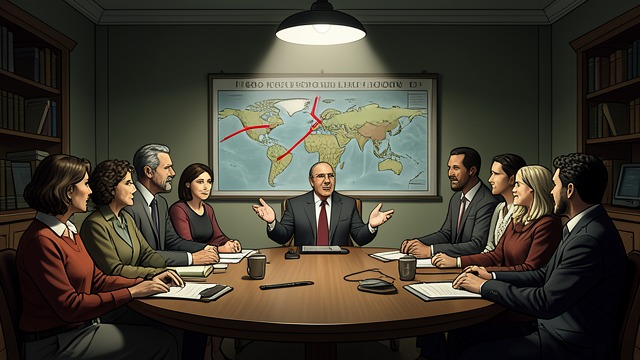
The Dominant Worldview
Reality as Class Property
The book uses cultural hegemony to describe the process by which a ruling class defines what seems normal, practical, and inevitable. Its values circulate as common sense.
Domination succeeds when the dominated defend the language of their own subordination.
Consent Before Force
Brute coercion remains available, but the preferred mechanism is voluntary acceptance.
The Engineering of Consent

The Engineering of Consent
Manufactured Agreement
Public opinion is shaped through advertising, media repetition, institutional prestige, and emotional association. Citizens are not simply told what to believe; they are trained to desire certain conclusions.
The result is consent that feels spontaneous.
The Invisible Labor
Cultural control saves the elite the cost of constant repression. People enforce the system by policing one another’s aspirations and loyalties.
The Anti-Intellectual Reaction
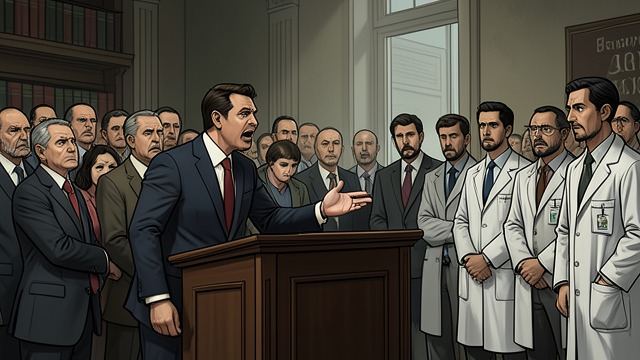
The Anti-Intellectual Reaction
Expertise as Enemy
The book describes populist contempt for experts, universities, and critical education as a defense mechanism. If knowledge challenges inherited belief, knowledge itself must be discredited.
The Dunning–Kruger effect becomes a metaphor for confidence detached from competence.
Political Utility
An uninformed public is easier to mobilize through slogans, fear, and personality than through sustained argument.
The Counter-Hegemony
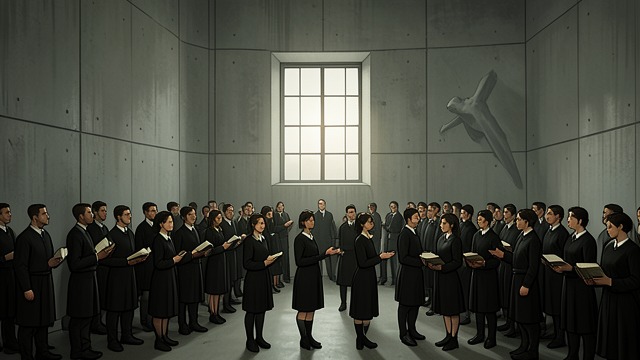
The Counter-Hegemony
Replacing Common Sense
The book seeks to establish a rival culture based on mathematics, critical reasoning, public education, and merit. It wants rationality to become socially prestigious rather than marginal.
A new worldview must be institutional as well as intellectual.
Collective Re-education
The project is described as a second enlightenment capable of undoing habits accumulated through religion, consumerism, and inheritance.
The Hegemonic Break

The Hegemonic Break
Refusal of the Script
The book’s ideal citizen refuses the roles assigned by the Ownership Class: consumer, follower, partisan, and admirer of wealth.
Freedom begins when people recognize that their preferences have political origins.
A New Consent
The desired society does not eliminate collective culture. It replaces passive consent with conscious commitment to the common good.
In the introduction of cultural hegemony
After the theoretical definition
In the attack on right-wing populism
In the proposed rationalist alternative
Near the conclusion of the cultural argument
